· 4 min read
If your car's paint looks dull, you'll often hear two suggestions: get it polished, or get it ceramic coated. They sound similar, but they do very different jobs — and in many cases they work best together.
What polishing does
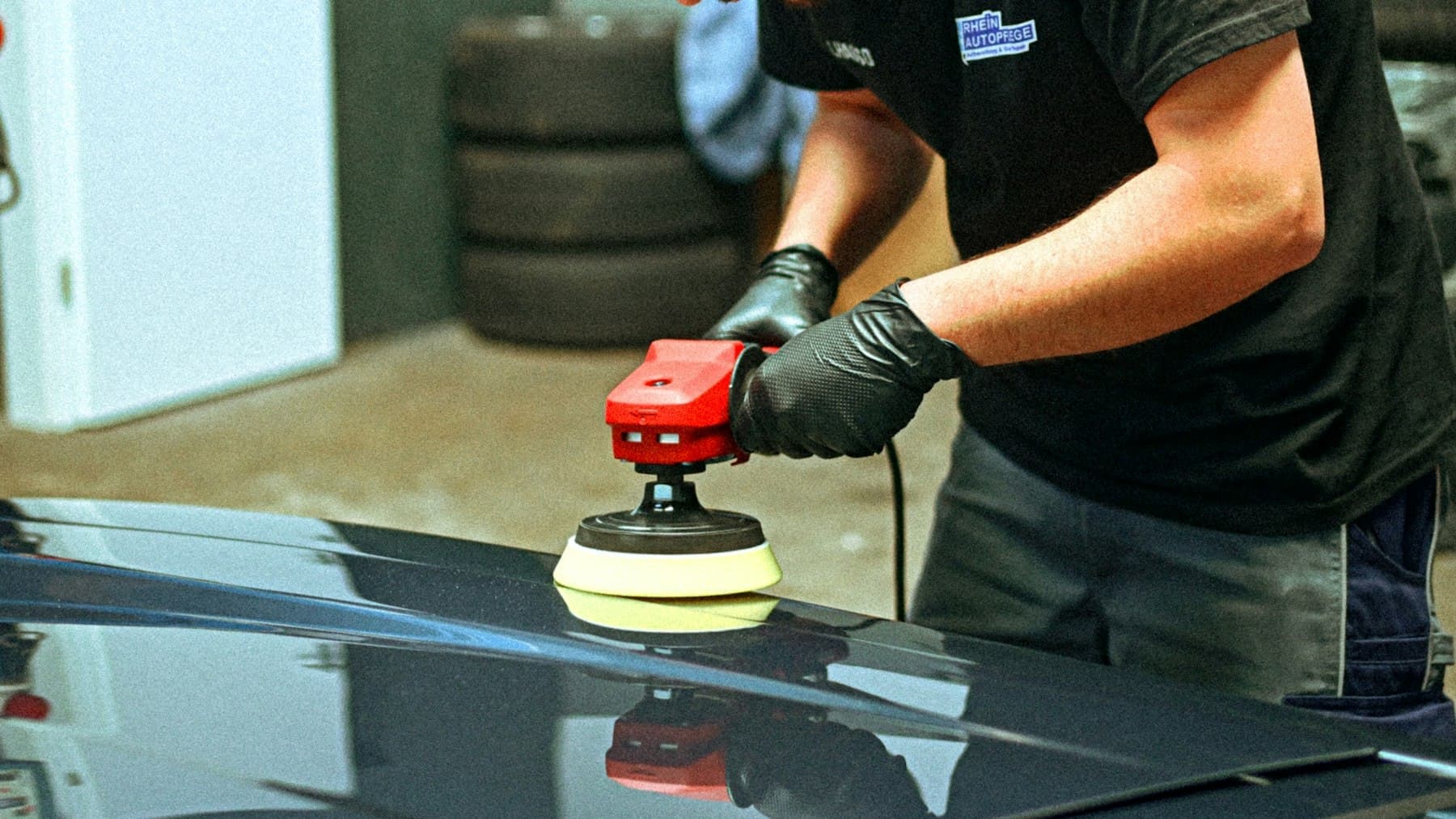
Polishing is a correction step. A machine polisher and an abrasive compound gently level the very top of the clear coat, which reduces swirl marks and light scratches and brings back clarity and gloss.
Because polishing removes a tiny amount of clear coat, it should be done carefully and not more often than necessary. It improves how the paint looks, but on its own it does not add much lasting protection.
What ceramic coating does
A ceramic coating is a protection step. It is a liquid that bonds to the clear coat and cures into a thin, hard, slick layer. Water and dirt release more easily, washing becomes quicker, and the paint gains extra depth and gloss.
A coating locks in whatever is underneath it — including swirls and defects. That's why paint is normally washed, decontaminated and polished before a coating is applied.
Which one do you need?
A simple way to think about it:
- Paint looks dull or swirled, and you just want it to look better → polishing.
- Paint is in good condition and you want it to be easier to maintain → ceramic coating (after preparation).
- Both — you want to correct the paint and then keep it looking good → polish first, then coat.
- You mainly want protection from stone chips → consider paint protection film (PPF) for high-impact areas.
Setting realistic expectations
Neither polish nor coating makes paint scratch-proof. How long any result lasts depends on the product, how the car is used and stored, and how it is washed. A good detailer will explain this honestly rather than promise a fixed number of years.
If you're not sure which option suits your car, send a few photos of the paint in daylight and ask for advice before deciding.